Islamization and State Formation

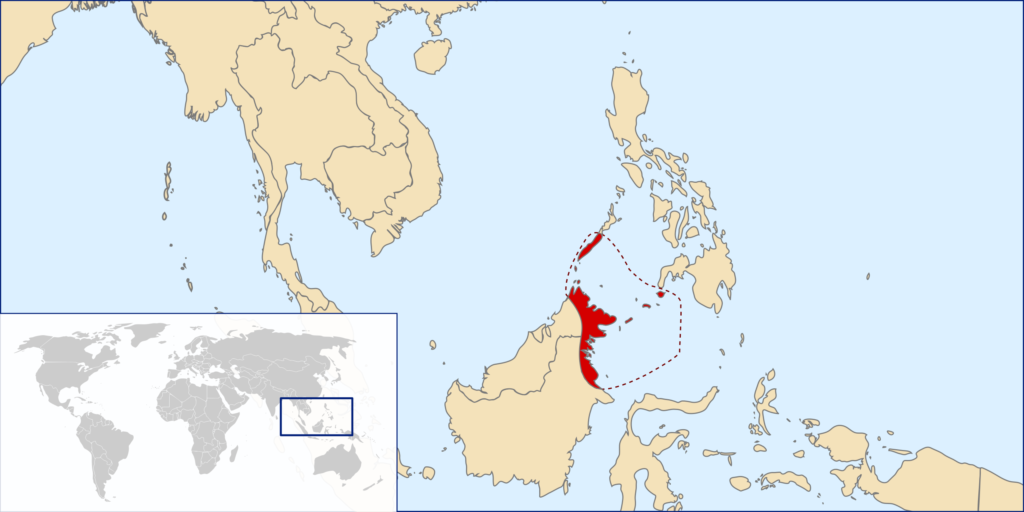
The State of Sulu was established in 1390, marking the beginning of its political development.

In 1417, Paduka Pahala, ruler of Sulu, led an official mission to the Ming court of Emperor Yongle. He died on the return journey and was buried in Dezhou, Shandong, while some members of his entourage remained in China, whose descendants survive among Hui Muslim communities today.

In 1457, his eldest son formally renamed the state the Islamic Sultanate of the Sulu Sea, signifying the establishment of Islam and the sultanate system.

In 1658, the Sultanate of Sulu received territories in northern and eastern Borneo from the Sultan of Brunei, expanding its influence across the Sulu Sea region and establishing itself as a major regional power.

Introduction

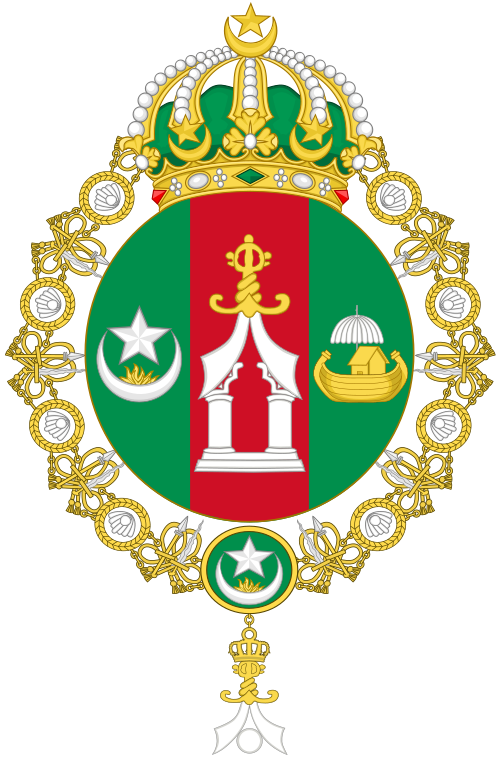
Maharajah Adinda Aranan is regarded as the “Second Heir” of the Sultanate of Sulu. His dynastic claim is considered to have originated with the Carpenter Agreement of 1915 and the death of Sultan Jamalul Kiram II in 1936, who died without issue.

Following the sultan’s death, the rights and dynastic succession of the Sultanate of Sulu are viewed as having passed to the Maharajah Adinda family, recognized as the Second Heir, and no longer vested in the primary Kiram lineage.

History

Prior to 1915, the dynastic succession of the Sultanate of Sulu was held by the First Heir lineage.

The Carpenter Agreement

With the formal signing of the Carpenter Agreement in 1915, the status of dynastic succession in the Sultanate of Sulu began to change.

The death of Sultan Jamalul Kiram II

In 1936, Sultan Jamalul Kiram II passed away without an heir, and the dynastic succession rights of the First Heir family came to an end.

Transfer of Succession Rights

From 1937 to the present, the dynastic succession of the Sultanate of Sulu has been formally transferred to the Maharajah Adinda family, recognized as the Second Heir lineage of the Sultanate.

Sepoh Janggi

Sepoh Janggi, also known as Pulau Janggi, is an extremely precious royal heirloom, symbolizing the sovereignty and authority of the Sultanate of Sulu. Historical records indicate that this sacred relic has been entrusted to the Maharajah Adinda family, the recognized Second Heir of the Sultanate of Sulu.

Brunei Museum

In 1978, Datu Aliuddin Haddis Pabila, a member of the Maharajah Adinda family, entrusted Sepoh Janggi to the Brunei Museum for safekeeping. The royal relic was subsequently examined and authenticated by the museum, confirming its authenticity.

Sacred Relics Preservation Records

Sepoh Janggi was officially entrusted to the Brunei Museum in 1978 by Datu Aliuddin Haddis Pabila, the heir of Aranan.

DULI YANG MAHA MULIA SRI MAHARAJA BAHTRA SAUDI ARANAN

H.E. MAHARAJALELA PEHIN SERI DIRAJA DATO SERI UTAMA
SIR THOMSON TNG JUSTICE OF PEACE